-

Introduction: why AI agents paying for compute matters As autonomous AI agents become more capable, they often need to acquire compute and inference time on demand to complete tasks. Understanding how AI agents paying for compute works is essential for architects, product managers, and security teams who want predictable budgets, reliable performance, and strong data…
-

The rise of autonomous systems and decentralized workflows increases demand for transparent but private payment mechanisms. Autonomous agent payouts must balance auditability, schedule flexibility, and confidentiality. In this post we explain how private payouts work, why they matter for teams and protocols, and practical steps to implement them without exposing sensitive payment amounts. Why privacy…
-

Introduction Many websites treat crawlers and scraping agents as unwanted traffic. An alternative approach is to monetize that traffic with a pay per crawl model. This post explains what pay per crawl is, how it works, who benefits, and practical considerations for implementing it so you can turn bot requests into predictable revenue instead of…
-
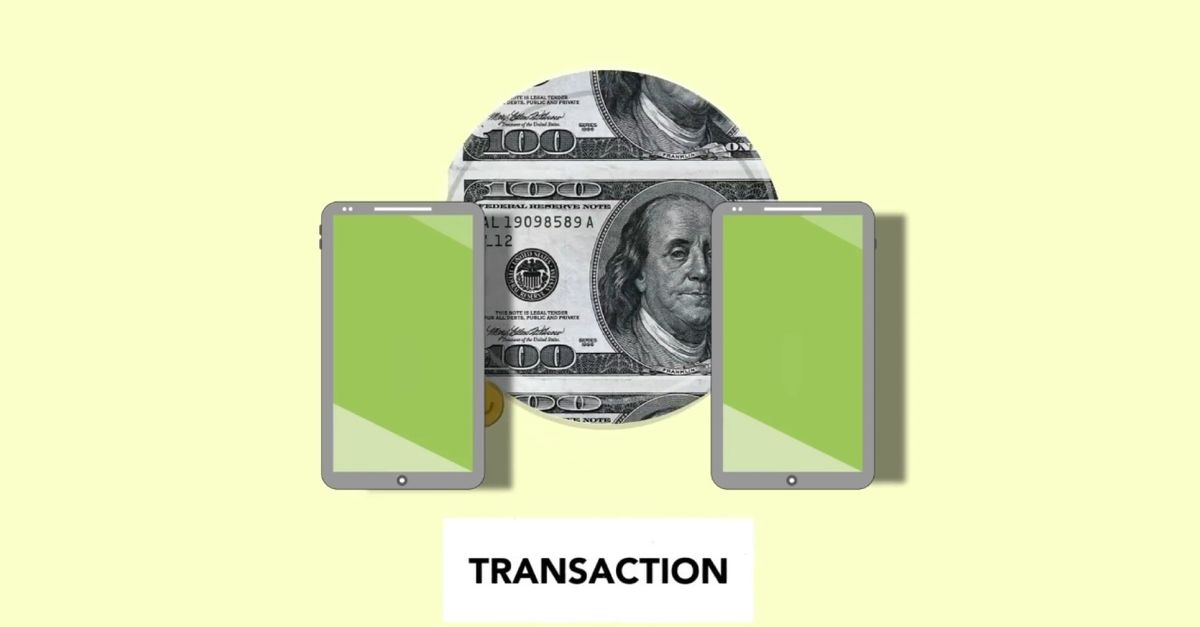
Introduction AI trading agent payments are becoming a critical operational detail for firms that run algorithmic strategies. When payments between counterparties, or to agents themselves, are visible on public rails, they can reveal signals about strategy performance, frequency, and counterparty relationships. This post explains the privacy risks, how information leakage happens, and practical approaches—especially private…
-
The rise of autonomous software agents changes how companies consume cloud services and drives the need for practical AI agent SaaS billing. Unlike human users, agents act independently, create high-frequency small transactions, and may require private settlement paths. This article explains the real-world challenges and provides a clear implementation plan so product and billing teams…
-

Introduction: What is AI agent checkout? AI agent checkout is a new approach that lets intelligent agents complete purchases on behalf of customers. For merchants, this can mean higher conversion rates, faster checkout flows, and improved accessibility for customers who prefer conversational or automated buying experiences. This article explains how agentic checkout works, what privacy…