
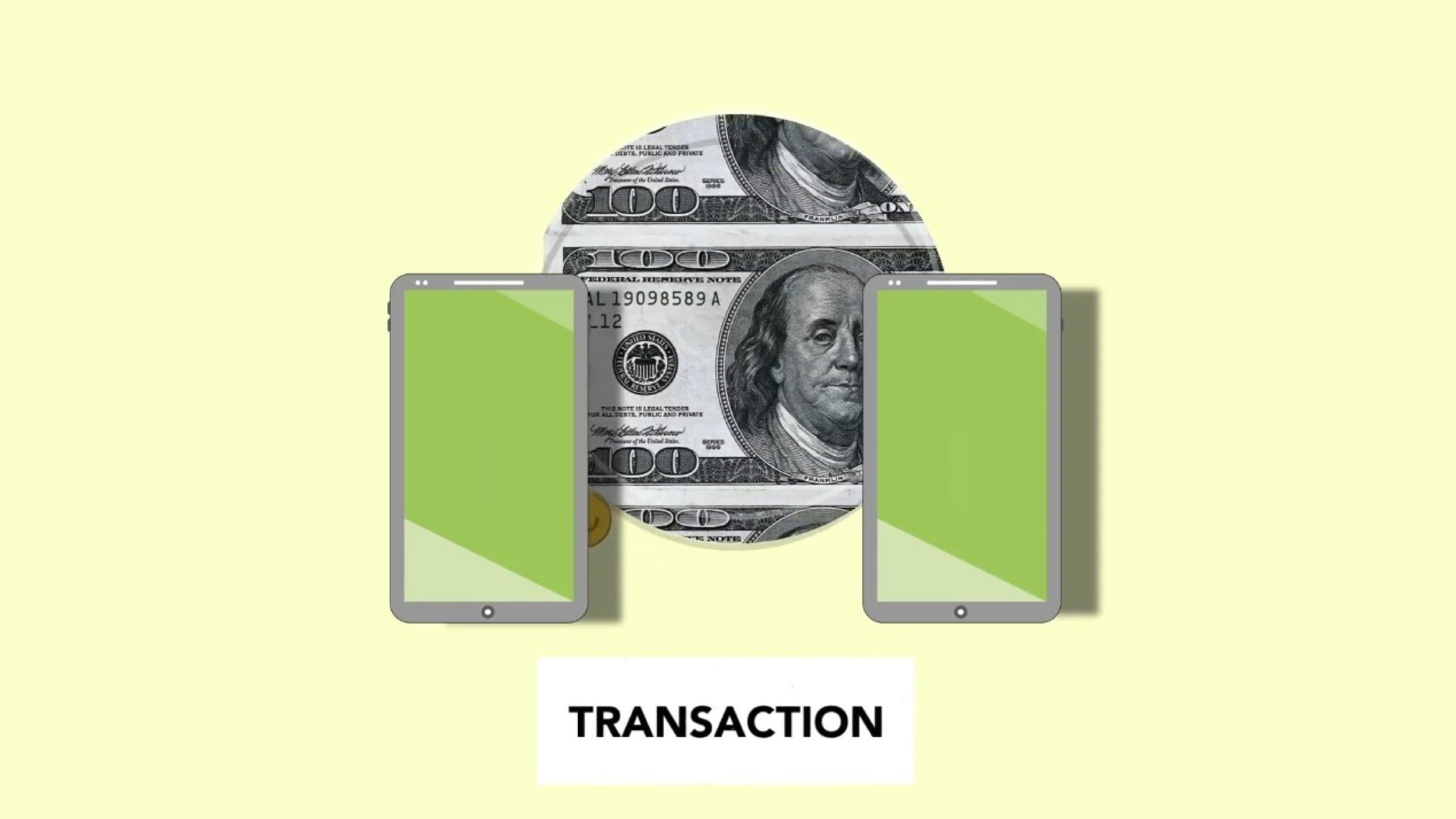
Introduction: why settlement matters for agents
Settlement is where the money actually changes hands. For agents who collect payments, remit funds, or reconcile cash flows on behalf of customers, reliable settlement is essential. This post explains stablecoin settlement for agents, how it differs from traditional settlement, and practical steps to keep transfers private and speedy.
What is stablecoin settlement for agents?
Stablecoin settlement for agents means using price-stable digital tokens (stablecoins) to move value between parties during reconciliation or payout processes. Unlike credit transfers that can take days, stablecoins settle on blockchains nearly instantly and reduce counterparty risk because their value is tied to fiat or other stable assets.
Key advantages for agents
- Speed: Transactions often confirm within seconds to minutes, enabling faster reconciliation.
- Cost: Lower fees compared with cross-border ACH or correspondent banking in many cases.
- Transparency: On-chain records help with audit trails while still supporting privacy controls.
- Programmability: Smart contracts can automate payouts, splits, and conditional releases.
How a typical agent settlement flow looks
Understanding a common flow helps agents design processes that are robust and private.
- Agent receives customer funds (cash or fiat) and records the transaction.
- Agent mints or purchases stablecoins through a custodian or exchange.
- Stablecoins are transferred on-chain to the principal or settlement partner.
- Recipient converts stablecoins back to fiat or holds them on-chain, and reconciles the ledger with the agent.
Practical considerations
- Liquidity: Ensure on-ramps and off-ramps are available in the required fiat corridors.
- Compliance: KYC and AML checks are still necessary when agents onboard partners or custodians.
- Counterparty selection: Use reputable counterparties to reduce settlement risk.
Keeping settlement private
Public blockchains are transparent by default, which can expose transaction histories. Agents can adopt these approaches to preserve privacy without sacrificing auditability.
Techniques to improve privacy
- Use privacy-preserving wallets: Wallets that implement address rotation or CoinJoin-style techniques reduce linkability.
- Transaction batching: Aggregate multiple transfers into a single on-chain transaction to mask individual flows.
- Layer-2 channels and private rails: Off-chain channels and private settlement rails can settle value quickly and only post aggregated state on-chain.
- Tokenized custodial accounts: Hold funds in regulated custodial accounts that issue internal stablecoin balances; move only net amounts on-chain.
Security and reconciliation best practices
Operational controls ensure settlements are accurate and recoverable.
- Implement two-person controls for large transfers.
- Keep clear reconciliation schedules and reconcile on-chain records with internal ledgers daily.
- Maintain cold storage for reserves and use hot wallets only for operational liquidity.
- Monitor on-chain activity with alerting rules to detect unusual flows.
For agents looking for real-world settlement rails and custodial partners, explore available options and compare fees, compliance coverage, and supported corridors. One practical resource for evaluating settlement services is a settlement partner directory, which can help you identify providers that meet your privacy and liquidity needs.
Conclusion
Stablecoin settlement for agents offers faster, lower-cost, and programmable settlement compared with many traditional rails. By combining privacy techniques, strong operational controls, and reputable counterparties, agents can move value efficiently while protecting sensitive transaction details. If you manage agent payments, evaluate stablecoin settlement flows and pick partners that match your compliance and privacy requirements.
Call to action: Review your current settlement workflow and pilot a small stablecoin settlement to measure speed, cost, and privacy improvements.